From Stripping to Streaming: The Visual Evolution of Sex Work in the Digital Age
For decades, sex work existed in the shadows-alleyways, back rooms, and dimly lit windows. But by the mid-2010s, the landscape changed overnight. A phone, a webcam, and a Wi-Fi connection became the new tools of the trade. What was once hidden behind closed doors became a public performance, streamed live to thousands. The shift wasn’t just technological-it was cultural, economic, and deeply personal. Today, sex workers don’t just sell access to their bodies; they sell control, autonomy, and curated intimacy. And the visual record of that transformation tells a story far more complex than most assume.
Some turned to platforms like OnlyFans or Patreon after losing jobs during the pandemic. Others had been building audiences for years, slowly moving from street-based work to digital spaces. For many, the move wasn’t about escape-it was about empowerment. One woman in London, who once worked as an independent escort girls london, started streaming from her flat in Hackney after a client assaulted her. She didn’t quit sex work. She just changed the terms. And she’s not alone. Thousands have done the same across the UK, using digital tools to reclaim safety, pricing power, and creative freedom.
The Rise of the Digital Stripper
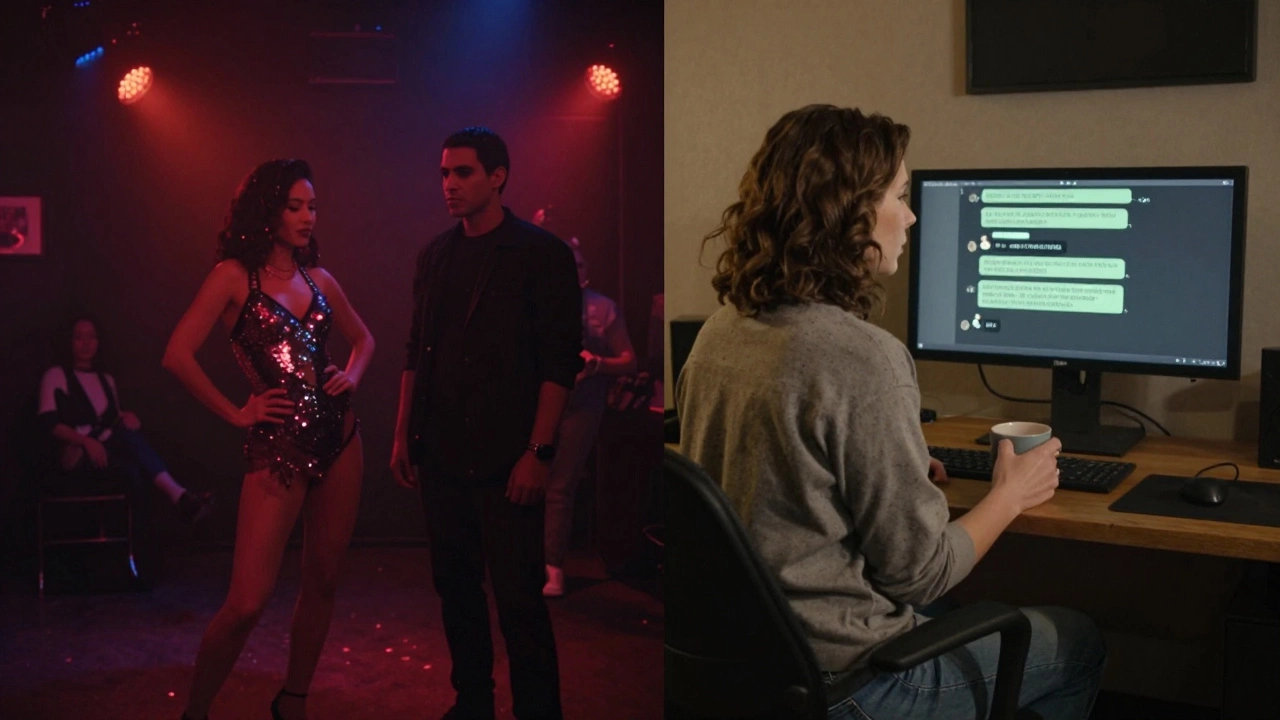
Before social media, stripping meant dressing up, dancing under strobe lights, and hoping the tips added up. Performers had little say in who watched, when, or how much they earned. Venues took 50% or more. Tips were cash-only. No receipts. No records. No safety nets.
Then came livestreaming. Platforms like Stripchat and Chaturbate let performers broadcast from home, set their own prices, and interact directly with viewers. No middleman. No curfew. No bouncer deciding who gets in. A dancer in Birmingham could earn more in one hour than she did in a whole weekend at a club. And she kept 80% of it.
Visuals changed too. The old-school pole dance gave way to personalized shows-roleplay, ASMR, themed nights, even educational content about consent and boundaries. Performers became producers. They hired editors, designed thumbnails, and built brands. The industry didn’t just go digital-it got professional.
From Street to Screen: The London Shift
East London became a quiet epicenter of this shift. In neighborhoods like Bow and Stratford, women who once worked as escort girls in east london began posting on Instagram and Twitter instead of walking the streets. They didn’t vanish-they migrated. Their profiles became portfolios: curated photos, videos, testimonials, pricing tiers. Some even offered virtual dates alongside in-person meetings, giving clients choice and themselves control.
Unlike traditional brothels or agencies, these women didn’t need to share earnings. They didn’t need to answer to pimps or landlords. They set their own hours, chose their clients, and blocked anyone who made them uncomfortable. One woman, who posted anonymously under the handle @LilaInLdn, told a journalist in 2023: "I used to get asked for sex without payment. Now I get asked for my schedule. There’s a difference."
London’s legal gray zone made this transition possible. Prostitution itself isn’t illegal in the UK-but soliciting, kerb-crawling, and running brothels are. That loophole let digital workers operate without fear of arrest. They didn’t need to advertise in phone booths or on street corners. They used encrypted apps, private DMs, and subscription models. And the police? Most didn’t even know where to look.
The Visual Archive: Photos, Videos, and Screenshots
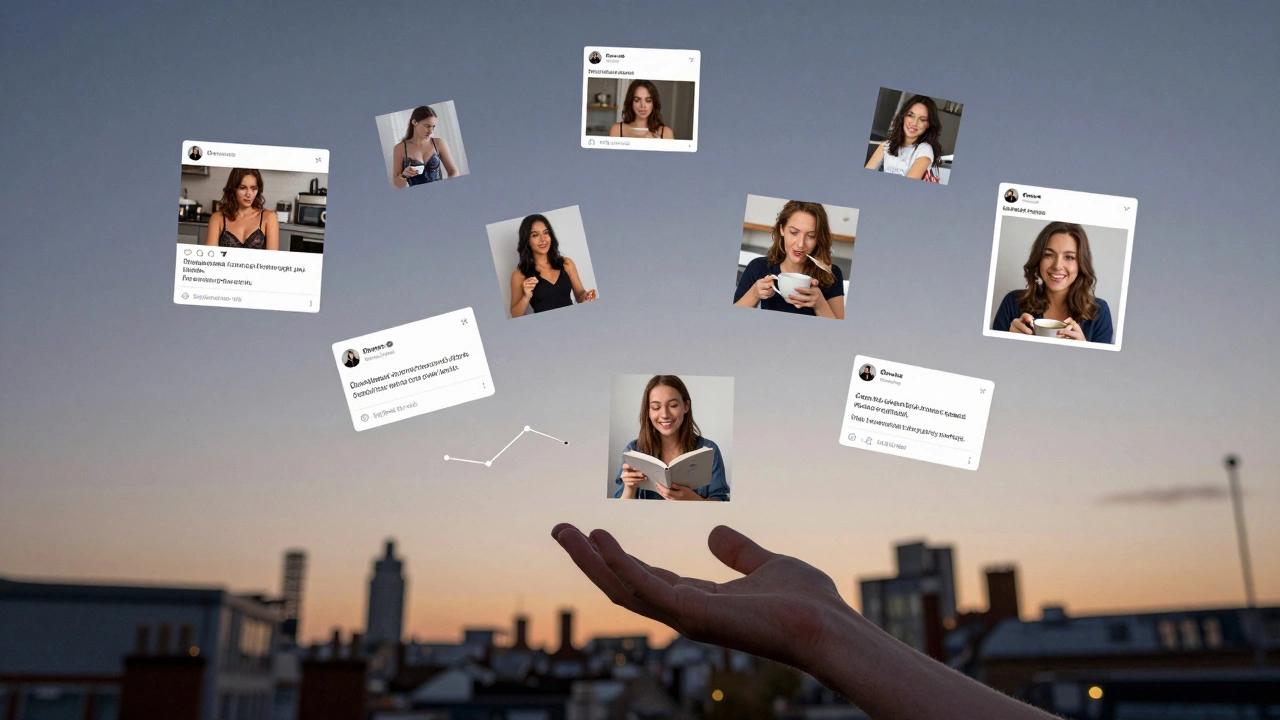
The history of sex work in the digital age isn’t written in textbooks. It’s stored in screenshots, deleted tweets, and archived OnlyFans pages. Researchers at Goldsmiths, University of London, spent two years collecting public content from 2018 to 2023. They found a clear pattern: the visuals evolved from sexualized poses to personal storytelling.
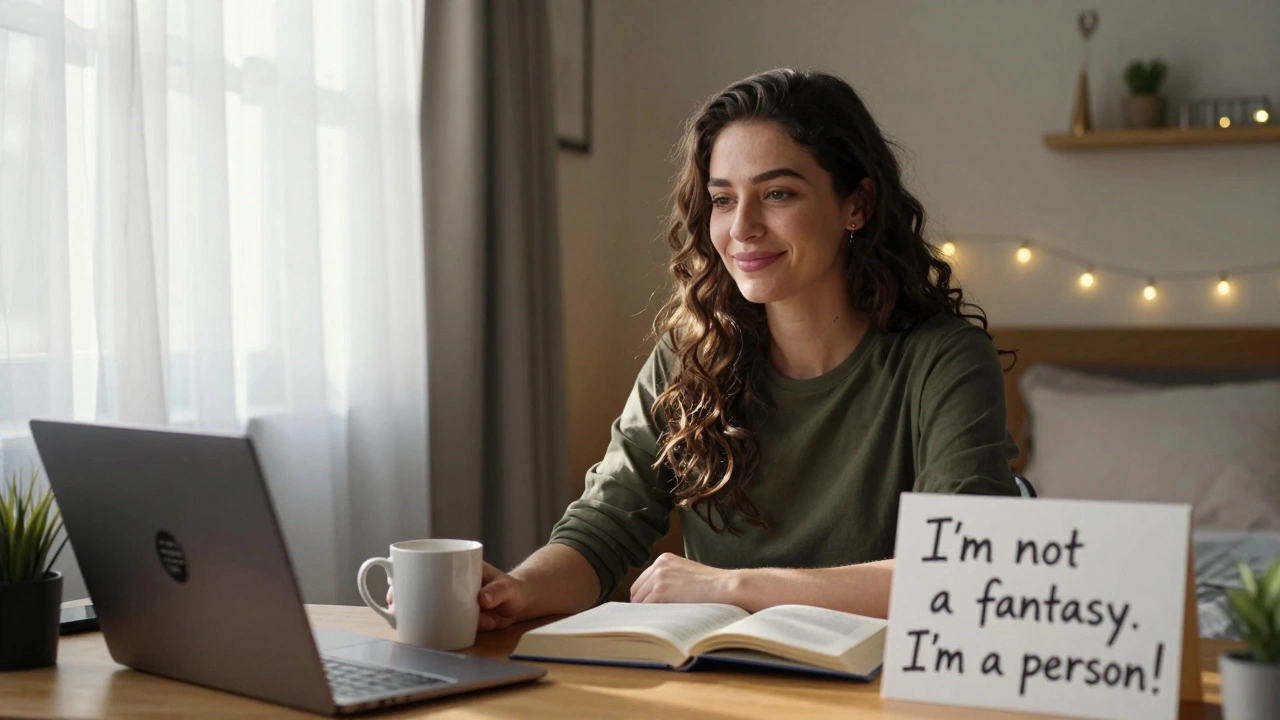
Early posts showed women in lingerie, smiling awkwardly at the camera. Later ones showed them cooking, reading books, talking about mental health, or holding signs that read: "I’m not a fantasy. I’m a person." The shift wasn’t subtle. It was deliberate. Workers were educating the public, not just selling service.
Even the lighting changed. Early photos used harsh studio lights. Newer ones used natural sunlight, messy bedrooms, coffee shops. The goal wasn’t to look sexy-it was to look real. And that authenticity built loyalty. Subscribers didn’t just pay for sex. They paid for companionship, for honesty, for a glimpse into someone’s life.
The Business Side: Money, Taxes, and Platforms
Money moved faster than regulation. In 2021, a survey by the Sex Workers’ Rights Advocacy Network found that 68% of digital sex workers in the UK earned more than £3,000 a month. Some made over £10,000. But few filed taxes. Few had bank accounts under their real names. Payment processors like PayPal and Stripe routinely froze accounts, calling them "high risk."
Platforms like OnlyFans didn’t help much. They took 20% of earnings and had no customer service. Workers who got banned had no appeal process. One woman from Croydon, who ran a successful OnlyFans page for three years, lost everything overnight after a client reported her for "explicit content." She had done nothing illegal. But the algorithm didn’t care. She had to start over.
That’s why many turned to crypto. Bitcoin and Monero became popular. No bank needed. No ID required. Transactions were private. Some even created their own payment systems using Telegram bots. It wasn’t perfect-but it was theirs.
Who’s Left Behind?
Not everyone made the jump. Older workers, those without tech skills, or those with disabilities often stayed on the streets. Some couldn’t afford a good camera. Others didn’t trust online platforms after scams. A few feared exposure-losing custody of their kids, being fired from other jobs, or being outed by family.
And then there’s the stigma. Even in 2025, calling yourself a "content creator" doesn’t erase the shame. One woman in Peckham, who runs a successful OnlyFans page, still tells her parents she works in "digital marketing." She’s not lying. She just doesn’t tell them the full truth.
The digital age gave many freedom. But it didn’t erase the fear. Or the loneliness. Or the judgment.
The Future: AI, Deepfakes, and Regulation
Now, AI is changing the game again. Some platforms are testing AI-generated performers-virtual women who never sleep, never get tired, never ask for a raise. They’re cheaper than humans. And clients are buying them.
At the same time, governments are trying to catch up. The UK’s Online Safety Act of 2023 targeted "pornographic content," but it didn’t define what that meant. Many legitimate sex workers got caught in the net. Their pages were removed. Their income vanished. No warning. No explanation.
Some are pushing back. A collective called Digital Workers United formed in 2024. They’re lobbying for legal recognition, fair platform rules, and protection from deepfake abuse. They’ve met with MPs. They’ve published reports. And slowly, things are changing.
One thing is clear: the visual history of sex work is no longer just about bodies. It’s about power. About who gets to control the image. Who gets to profit. Who gets to be seen-and who gets erased.
For those who made the leap-from strip clubs to livestreams, from street corners to private servers-the story isn’t over. It’s still being written. Every post. Every video. Every DM. Every time someone says, "I’m just here for the conversation," it’s a quiet act of resistance.
And if you want to understand what that looks like today, look beyond the headlines. Look at the women who chose to stay visible-not for the money, but because they refused to disappear.